Interior Painting Chadds Ford, PA
Crisp, durable interior finishes for Chadds Ford homes. Serving the area since 1985 — backed by a written two‑year warranty.
Interior Painting in Chadds Ford, PA
From historic colonials to modern constructions, homes in Chadds Ford often require interior repainting more frequently than many owners anticipate. This page outlines interior painting services for walls, ceilings, trim, and whole‑room projects. We cover Chadds Ford and neighboring communities, and setting up a job with us is simple. Since 1985, Chadds Ford Painting has provided crisp, durable interior finishes for local residents, and every project is backed by a written two‑year warranty.
Indicators Your Chadds Ford Home Needs Interior Painting Right Away
In Chadds Ford's older colonial or farmhouse‑style residences, plaster walls and wooden trim reveal wear faster than newer builds. Spotting trouble early prevents minor issues from becoming costly repairs. Watch for these signs:
- Paint flaking around windows and on exterior‑adjacent walls
- Water marks on ceilings after a heavy rainstorm
- Scuff marks, crayon scribbles, or dark smudges on high‑traffic walls
- Paint that has faded or yellowed in rooms with south‑facing windows
- Cracks along door frames or corners, suggesting wall movement that requires preparation before repainting
How a Professional Painter Saves You Time and Hassle
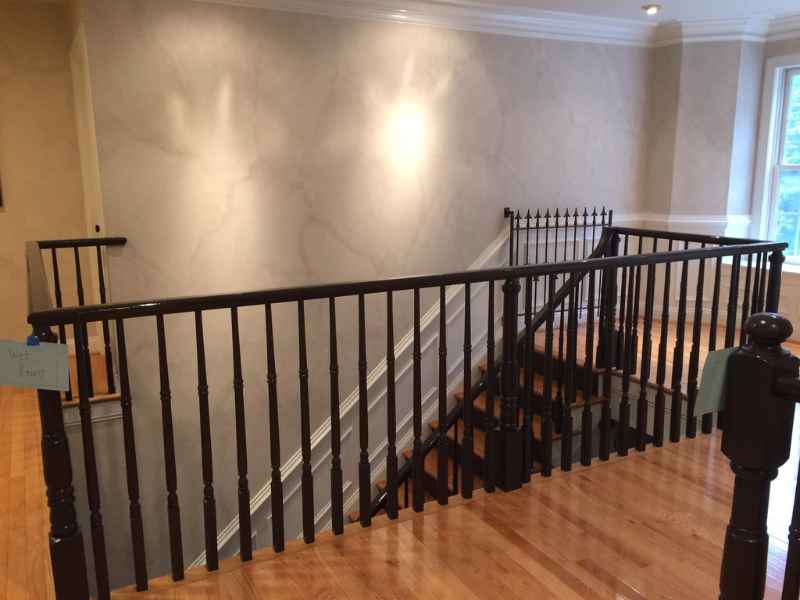
Many Chadds Ford owners begin a painting job themselves, only to discover that surface preparation alone can consume a great deal of time. Homes near Pennsbury and Fairville Road often feature lofty ceilings and intricate trim that are difficult to cut cleanly without proper tools and expertise. Hiring a pro speeds up the process and yields a longer‑lasting finish.
- Experts arrive with the correct ladders, rollers, and brushes for each surface
- Sanding, patching, and priming typically dominate the project timeline
- Skipping prep results in bubbling or peeling within months
- Large rooms or open‑plan layouts can take a homeowner several days to finish alone
- Professionals can work through multiple rooms sequentially while minimizing dust and protecting already finished areas
Ideal Conditions for Interior Painting in Chadds Ford
Painting under optimal conditions ensures better adhesion, quicker drying, and a durable coat. Chadds Ford summers can become humid, and humidity over 70 % slows drying and may cause sagging or bubbling. Scheduling your work around local weather makes a noticeable difference.
- Ideal indoor temperature range: 50 °F to 85 °F
- Never paint over walls with active water damage or before a leak‑affected area is completely dry
- July and August humidity can lengthen drying times between coats
- Keep paint jobs away from rooms undergoing active renovation that generate heavy dust
- Open windows and operate fans to promote airflow during and after painting
- Spring and fall usually provide the most stable indoor environment in Chadds Ford
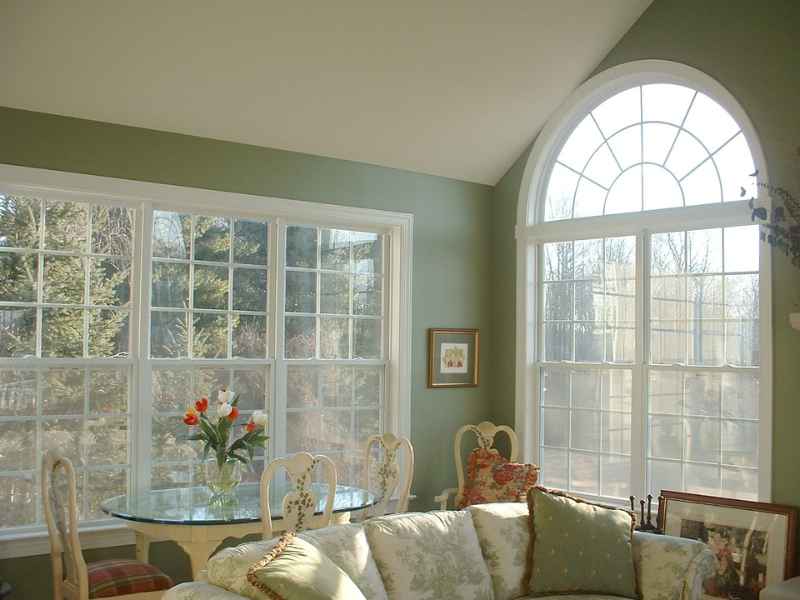
The Proper Sequence for Painting Any Room — Top to Bottom
What is the correct order for interior painting in Chadds Ford?
- Move furniture and protect floors
- Fill holes and sand all surfaces smooth
- Prime bare or repaired sections
- Paint the ceiling first
- Follow with upper trim and crown molding
- Apply paint to the walls, working from top down
- Finish with baseboards and doors
Painting from the highest point downward prevents drips and roller splatter from landing on surfaces you've already finished—especially important in historic Chadds Ford homes where crown molding and chair rails need careful masking and a clear workflow.
- Begin with the ceiling to capture any roller splatter before the walls go on
- Cut in crown molding and upper trim before rolling the main ceiling area
- Paint walls in manageable sections, moving downward
- Tape along baseboard edges before tackling the trim
- Apply paint to baseboards and door frames last to avoid scuff marks
- Allow each coat to dry completely before proceeding to the next surface
Preparing Your Walls Before Interior Painting Starts
Thorough preparation is the single biggest determinant of how long interior paint will endure. Properties in the Brandywine Hills region often feature older drywall or plaster that demands extra sanding and priming for new paint to adhere properly. Skipping this step almost always shows up in the final appearance.
- Fill nail holes and cracks with lightweight spackle or joint compound
- Sand patched spots smooth and wipe away dust before priming
- Wipe walls with a damp cloth to eliminate grease, especially in kitchens
- Prime over bare spots, stains, or dark colors prior to the finish coat
- Mask outlets, switch plates, and trim with high‑quality painter's tape
- Remove tape while the paint is still slightly tacky for crisp, clean edges
What to Inspect After Interior Painting Is Finished
A final walk‑through catches thin areas, missed edges, and drips before they set permanently. Natural light in Chadds Ford homes changes throughout the day, so reviewing walls in both morning and afternoon light helps reveal uneven coverage that ceiling lights alone might miss.
- Shine a flashlight at a low angle across each wall to spot thin spots
- Examine all cut‑in edges along trim, ceiling lines, and corners
- Look for drips or sags on doors and baseboards
- Verify that switch plates and outlets are free of paint
- Ensure all tape has been removed without pulling up the fresh coat
- Walk each room twice: once under overhead lighting and once in natural daylight
Interior Painting FAQs
Absolutely. For rooms with tall ceilings or intricate trim, a pro's correct surface preparation, faster work pace, and superior finish make a big difference. We are licensed, insured, and have served Chadds Ford since 1985.
Steer clear of painting when humidity exceeds 70‑85 %, temperatures fall outside the 50‑85 °F window, or walls have active moisture or unresolved damage. Painting under those conditions leads to poor adhesion and a short‑lived finish.
Start with the ceiling, then upper trim and crown molding, followed by the walls, and finish with baseboards and doors. This top‑to‑bottom approach prevents drips on already painted surfaces.
If you notice cracks, holes, stains, or peeling paint, the walls require patching, sanding, or priming before the finish coat; otherwise the new paint won't adhere properly.
Most interior paints need a minimum of two to four hours between coats. In Chadds Ford's humid summer months, you may need to extend that interval to ensure the first coat dries fully.
It's best to avoid painting near active renovation work, as dust from neighboring spaces can settle on wet paint and ruin the finish. Complete any renovation in adjacent rooms first, then proceed with painting once the dust has cleared.
Ready to Get Started in Chadds Ford?
Licensed, insured, and backed by a 2-year written warranty. Serving Chadds Ford since 1985.